
Pre-Anaesthetic Assessment and Anaesthetic Safety
At our Gebze clinic (serving Darıca, Çayırova, Dilovası and Kocaeli), every surgical patient receives a complete blood count, serum biochemistry and thoracic radiography where indicated. Age, weight, body condition and concurrent disease define the anaesthetic risk class, and the drug protocol is built around that class.
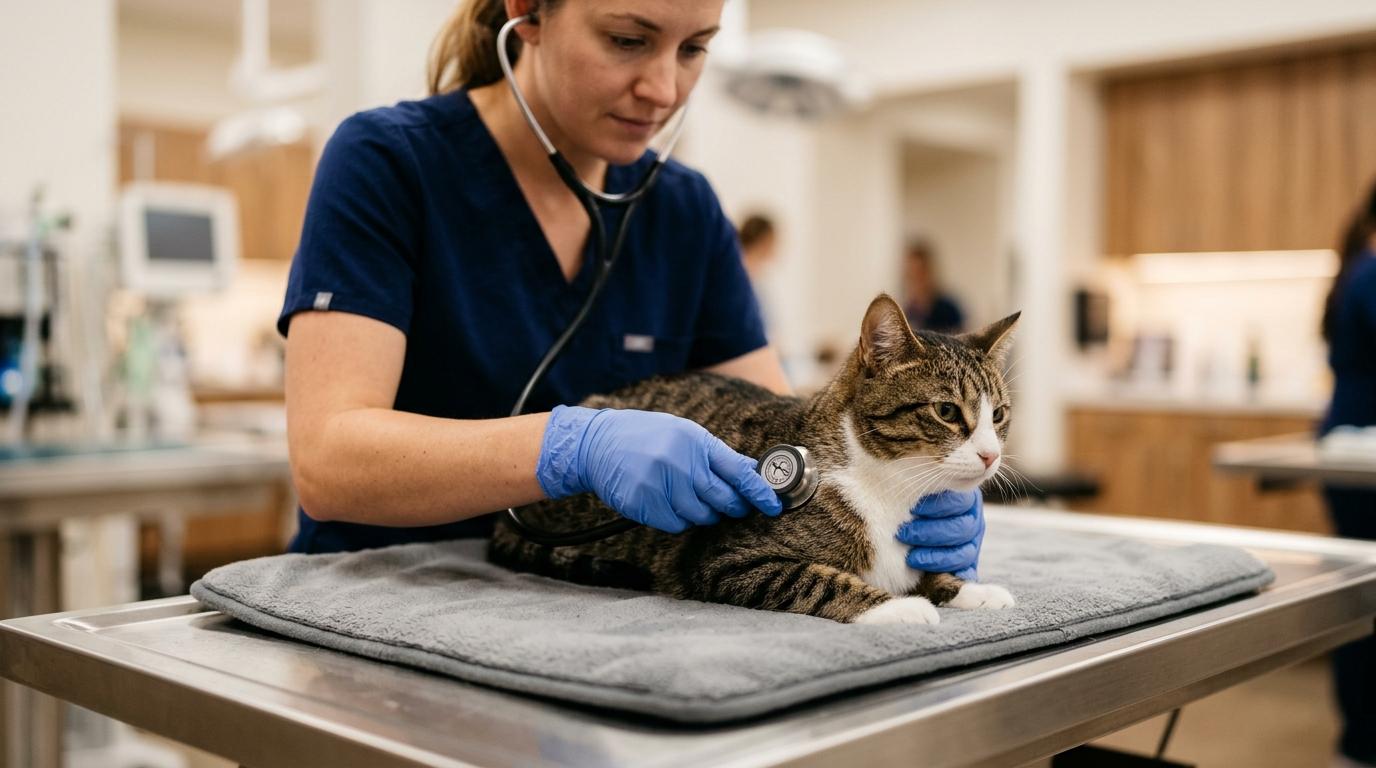
Food is withheld for 8 to 12 hours before general anaesthesia while water remains available until two hours prior. During inhalation anaesthesia, heart rhythm, oxygen saturation, respiratory rate and body temperature are monitored continuously, with warming support and fluid therapy as standard.
- Sterile field preparation with single-use drapes
- Recorded anaesthetic depth throughout the procedure
- Pain scoring and temperature monitoring during recovery
Soft Tissue and Orthopaedic Procedures
Soft tissue surgery covers mass excision, gastrointestinal and urinary procedures. Orthopaedic assessment combines lameness duration, palpation findings and radiography so that fracture stabilisation and cruciate injury decisions rest on objective evidence rather than assumption.
Related Clinical Procedures & Health Guides
| Procedure | Pre-op Preparation | Anaesthetic Approach | Post-Discharge Review |
|---|---|---|---|
| Neutering (ovariohysterectomy / orchiectomy) | Blood panel, 8 – 12 hour fast | Inhalation plus multimodal analgesia | Suture check at 7 – 10 days |
| Soft tissue mass excision | Blood panel, histopathology plan | Inhalation plus local block | 10 – 14 days, histopathology result |
| Fracture stabilisation | Radiography, blood panel | Inhalation plus intravenous fluids | Radiographic review at 4 – 6 weeks |
| Cruciate ligament assessment | Lameness score, radiography | Inhalation with epidural option | Reviews at 2, 6 and 12 weeks |
Clinical Pathway
- Clinical assessment and imaging confirm the surgical indication.
- A pre-anaesthetic blood panel is taken and fasting and medication instructions are given in writing.
- The procedure is performed under sterile conditions with vitals recorded throughout.
- Pain control, wound care and the recheck appointment are planned before discharge.
Frequently Asked Questions
How long before surgery should food be withheld?
For cats and dogs undergoing general anaesthesia an 8 to 12 hour fast is generally recommended. Water may be offered until two hours before the procedure, and the window is shortened for puppies and small breed patients.
Can surgery be performed without blood work?
Pre-anaesthetic assessment is standard practice for anaesthetic safety. Building a drug protocol without knowing liver, kidney and blood values carries avoidable risk, so a panel is requested before the procedure.
When are sutures removed?
A recheck is scheduled between days 7 and 14 depending on the site and procedure. Cases closed with internal sutures do not need removal, though the incision line is still assessed at the recheck.
The information on this page is for general guidance and does not replace a physical examination.