
Critical Signs and the Distinction From Cystitis
At Fidan Veterinary Clinic in Gebze (serving Darıca, Çayırova, Dilovası and Kocaeli), distinguishing cystitis from obstruction is urgent: in cystitis a cat passes small volumes frequently, whereas in obstruction no urine or only a few drops appear. A hard, painful bladder, crying, vomiting and lethargy indicate systemic involvement.
Causes include stones, crystals (struvite in particular), urethral plugs, trauma and urinary tract infection. The risk is markedly higher in male cats because the urethra is narrower.
- Straining with no urine produced: emergency
- Abdominal pain, crying, loss of appetite, vomiting
- Increased licking and urination outside the tray
Initial Assessment in the Clinic and Preventing Recurrence
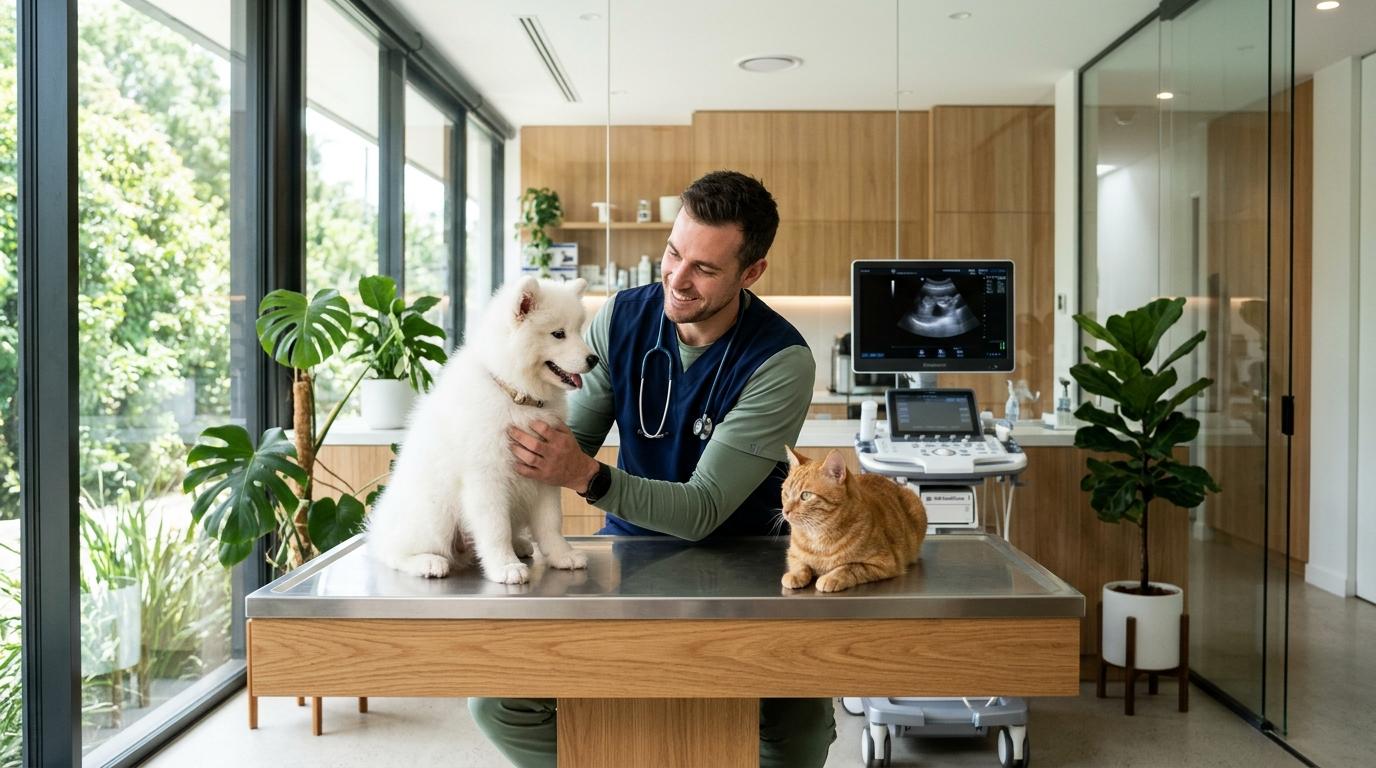
Bladder size and firmness are assessed on examination, and potassium with creatinine levels are critical on the blood panel. Ultrasound shows bladder contents and the level of the blockage. Treatment combines fluid support, correction of electrolyte balance and controlled reopening of the urethra.
To reduce recurrence after discharge, increased water intake, wet food in the diet, weight control and stress-reducing environmental changes are recommended. Recurrent cases are scheduled for urinalysis and crystal analysis.
Clinical Tools
Use the clinical tools to support home monitoring decisions; the symptom triage tool helps separate urgent from routine signs.
Related Medical Departments & Clinical Procedures
| Sign | What It Suggests | Urgency |
|---|---|---|
| No urine, straining | Suspected urethral obstruction | Emergency: same-day care |
| Abdominal pain, hard bladder | Bladder distension, rising pressure | Emergency |
| Vomiting, lethargy, no appetite | Systemic involvement, hyperkalaemia risk | Emergency |
| Frequent small volumes, blood | Cystitis or crystalluria possible | Examination the same day |
| Urinating outside the tray | Pain or stress-related behaviour | Appointment based |
Clinical Pathway
- Whether the cat has urinated in the last 12 hours and its general state are assessed.
- Examination checks bladder size, firmness and pain response.
- A blood panel and ultrasound establish the blockage and electrolyte status.
- After fluid support and unblocking, a recurrence prevention plan is written.
Frequently Asked Questions
Can I wait until morning if my cat cannot urinate?
No. Complete obstruction can raise potassium and disturb heart rhythm within hours. Waiting markedly increases the risk of losing the patient.
He still passes some urine, so could it still be obstruction?
A partial blockage can allow a small volume through, and it still requires emergency assessment. Urine volume, straining time and pain signs are interpreted together.
How can recurrence be prevented?
Wet food that raises water intake, wide bowls and a water fountain, measured feeding for weight control, more litter trays and stress-reducing changes all lower the risk of recurrence.
The information on this page is for general guidance and does not replace a physical examination.