
Recognising Early Signs in Birds
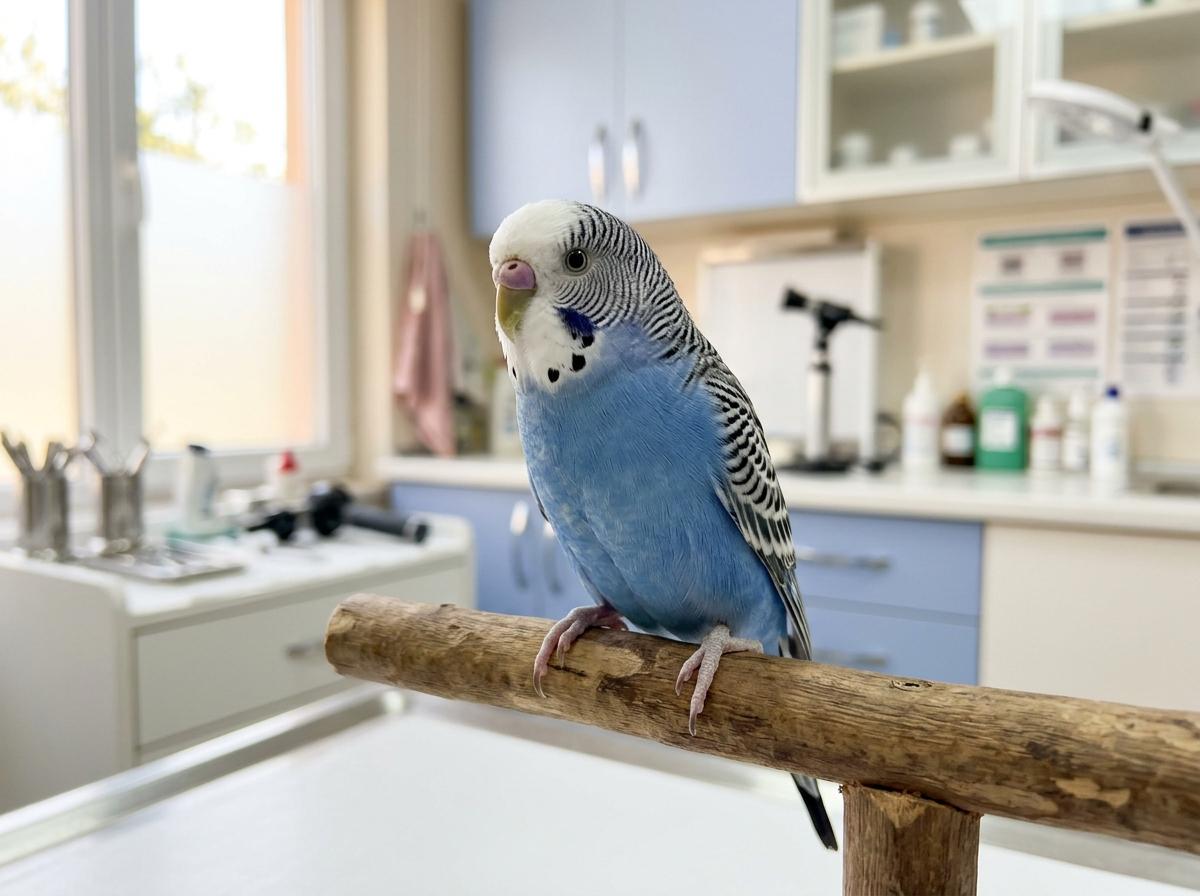
At our Tatlıkuyu, Gebze clinic serving Darıca, Çayırova and Kocaeli, budgerigars, cockatiels, canaries, rabbits and rodents are examined with gentle, species-specific handling. Birds hide disease for as long as possible; fluffed feathers, reduced vocalisation, sitting low on the cage floor and a change in dropping colour are all reasons to book a check.
Weekly weighing on a gram-accurate scale is the most practical monitoring tool, and in small birds even a five percent loss is significant. Seed-only diets commonly cause vitamin A and calcium deficiency, so a balanced ration of pellets, fresh vegetables and appropriate mineral support is explained in detail.
- Weekly weight log on a precise scale
- Regular checks for beak and nail overgrowth
- Balancing a seed-heavy diet with pellets and vegetables
Species-Specific Essentials for Rabbits and Rodents
Continuously growing teeth and caecal fermentation are central in rabbits; a low-fibre diet impairs dental wear and raises the risk of gastrointestinal stasis. Guinea pigs develop joint and gum problems when vitamin C intake is insufficient, and supplementation must be given directly rather than through drinking water. Obesity and skin parasites are common in rodents, so cage hygiene and floor space are always assessed.
Related Clinical Procedures & Health Guides
| Species | Common Problem | Examination Focus | Preventive Measure |
|---|---|---|---|
| Budgerigar / parrot | Feather disorder, beak overgrowth | Weight, feathers, droppings, beak | Balanced diet, weekly weighing |
| Canary / finch | Respiratory signs, loss of song | Respiration, eyes, cloaca | Ventilation and cage cleaning |
| Rabbit | Dental overgrowth, GI stasis | Teeth, caecum, skin | High fibre, free access to water |
| Guinea pig | Vitamin C deficiency, skin disease | Joints, gums, skin | Daily vitamin C supplementation |
| Hamster / gerbil | Obesity, wet tail | Weight, abdomen, skin | Portion control, floor space |
| Tortoise (land) | Shell deformity, vitamin D deficiency | Shell, eyes, movement | UVB and calcium provision |
Clinical Pathway
- Species, age, enclosure setup and diet history are recorded.
- A physical examination and weight measurement are performed with species-appropriate handling.
- Beak, dental, skin and dropping assessments are completed.
- Nutrition, enclosure conditions and the recheck interval are shared in writing.
Frequently Asked Questions
Why does my bird hide that it is unwell?
In the wild a weak individual becomes a target, so birds suppress signs until the last moment. Once fluffed feathers, silence or weight loss appear, an examination should be arranged without delay.
Are carrots and lettuce enough for my rabbit?
No. Unlimited quality grass hay and fresh water form the basis of the diet; carrot is high in sugar and should stay at treat level. Diet changes are made gradually and water is always available.
Is anaesthesia risky for exotic patients?
Risk is higher because of small body size, fast metabolism and hidden disease. Pre-anaesthetic assessment, accurate dose calculation and heat support therefore matter especially, and any procedure is planned around them.
The information on this page is for general guidance and does not replace a physical examination.